Since Baby A is two, I thought this list would be easy for me to put together--but it was tough! A lot of her current favorites (Peter Rabbit, Jamberry) are books I've mentioned recently, so I skipped my recent recommendations and pulled out a variety that cater in distinct ways to some of the curiosities and development milestones of typical two-year-olds. These seven picture and board books are both toddler-approved and grown-up-approved: chock full of humor, learning, and interest-led education.
Should I Share My Ice Cream? by Mo Willems.
Sharing out of friendliness or fairness may not develop until well into a child's fourth year, but it certainly doesn't hurt to build sharing habits much earlier. And who better to broach the topic than witty Mo Willems?
Bread and Jam for Frances by Russell Hoban, pictures by Lillian Hoban. After bread and jam only for six meals straight, Frances might change her resolve and try something new. This classic reminds parents to go ahead and indulge some of the stubborn streaks that don't hurt anything in the long-term. It also sets up young children to come to their own conclusion about breaking a stubborn streak.
Happy Hippo, Angry Duck: A Book of Moods by Sandra Boynton. The very first trait of two-year-olds that pops into my mind is moodiness! They often feel so intensely and freely. Grown-ups can help toddlers by validating those feelings, and by giving them communication and coping tools, including introducing labels for feelings.
Oh, if only validating were so simple when I react to Baby A's high-pitched scream spurred by her frustration that the shoes (that I asked her to keep on) are difficult for her to take off.
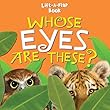
Whose Eyes Are These? (also in this series: Whose Ears/Tail/Feet [...]) by Claire Belmont. Two-year-olds pick up on patterns, like that people and tigers and owls and rabbits all have eyes. This lift-the-flap book features ever-popular animals with clues for guessing which peepers belong to which creepers.
Let's Learn to Count! illustrated by Gill Guile (pictured in Finnish--like the one we have). Each page shows the number filled with a farm animal (one dog, two horses, three cows...), with a sidebar of numbers 1-10, the featured number hi-lighted. The text is one line of fun information about the animal. After number 10, there are two two-page spreads with scenes and questions for loads of exploration and learning. It is designed to grow with a child, and the overall feeling is fun, fun, fun.
Baby A loves to practice counting, and she finds numbers everywhere while we're out and about. She most often points out number 7--I wonder why?
How Loud is a Lion? by
Clare Beaton, contributor: Stella Blackstone. The books in this series are made with felt, and they are charming, portable, and pleasant. The text is appealing to toddlers, because it asks repetitively How loud is a lion?, and gives rhyming retorts with bits of information about several jungle animals. Repetition, rhyme, quirkiness, and instruction: all in one book!
My Busy Day: 15 Tiny Books by Pat Hegarty, illustrated by Amanda Gulliver. Toddlers are particularly drawn to tiny things and collections. Tiny stuff makes them feel big, and it tucks away into pockets, bags, drawers...or wherever they are stashing. These miniature books cover common situations with cute, simple illustrations.
Baby A is really into stashing. I find things in the most curious places. Unfortunately, she doesn't stash her toys and books as often as she stashes my jewelry, the remotes, and kitchen utensils.
I've noticed that attention span ebbs and flows at this stage--sometimes, a two-year-old will focus on one book, reading it over and over, for half an hour. Other times, a two-year-old only gets through the first three lines of a six-line book before another activity calls.
What are your favorite typical or non-typical two-year-old traits? Have you noticed a link between quirks and favorite books?